Structured viola preparation for every serious stage.
Han Oh works with serious viola students in Singapore through an assessment-led pathway that connects present playing, artistic priorities, repertoire and performance objectives.
The Initial Artistic Assessment is the first step. Generic lessons are not the product; focused teaching forms part of a structured artistic-preparation pathway when appropriate.
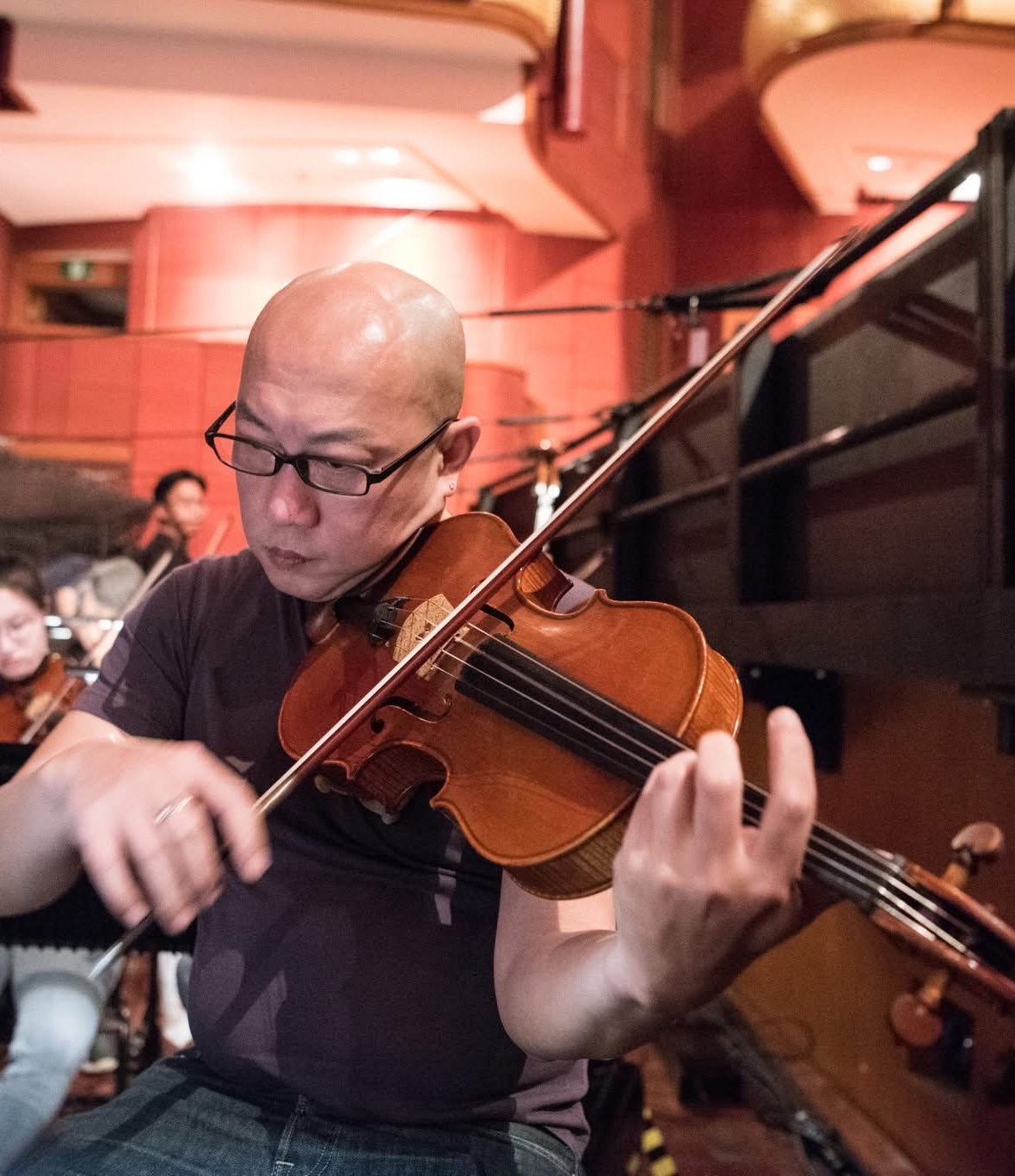
Viola teaching begins with an honest artistic judgment.
Before prescribing more work, Han first hears the student as they are: sound, intonation, rhythm, physical organisation, musical thinking and reliability under attention.
-
01
A serious reason to develop
The student has a meaningful school, examination, competition, audition, performance or longer-term artistic objective.
-
02
Representative current playing
Recent work allows Han to judge the student’s present viola foundation rather than relying on grades or descriptions alone.
-
03
Readiness for focused work
The student is prepared for candid feedback, sustained practice and priorities that may differ from their initial assumptions.
If Dynamic String Arts recommends proceeding, teaching, repertoire, artistic experiences and performance preparation are organised around the assessment findings and the student’s defined objective.
What Han listens for in a violist.
The Initial Artistic Assessment identifies what is already working, what is limiting progress and which priorities should shape the next stage of viola preparation.
-
01
Sound and physical organisation
Bow use, contact, resonance, posture, balance and whether physical choices support a free, sustainable viola sound, including a responsive lower register.
-
02
Intonation, rhythm and control
Left-hand organisation, pitch relationships, alto-clef fluency, pulse, coordination and the reliability of technical decisions under musical pressure.
-
03
Musical thinking
Phrasing, character, harmonic awareness, stylistic understanding and the student’s ability to make and sustain purposeful choices.
-
04
Repertoire and performance readiness
Whether the chosen work reveals the student well and can be prepared with sufficient consistency for the intended examination, audition, competition, masterclass or performance context.
From assessment to a structured viola pathway.
Lessons and specialist support sit inside the pathway. Each stage has a defined artistic purpose and a clear point for review.
-
01 / Assess
Hear the present reality.
Establish the student’s current viola playing, objective, timeline, existing repertoire and constraints.
-
02 / Prioritise
Choose what matters now.
Separate foundational work from refinements and identify the few priorities that will most improve the student’s artistic position.
-
03 / Develop
Connect teaching to the objective.
Coordinate viola teaching, technique, musical interpretation, repertoire, milestones and appropriate artistic experiences.
-
04 / Review
Test progress in context.
Use lessons, mock performance, recording or other relevant conditions to reveal what is secure and what the next stage requires.
Viola expertise, applied with clear purpose.
Han Oh serves as Artist Faculty, Viola, at the Yong Siew Toh Conservatory of Music. At Dynamic String Arts, he applies his viola teaching and assessment experience through an independent, student-specific preparation pathway.
What Han leads
- Independent artistic assessment and priority-setting.
- Viola technique, sound, musical thinking and repertoire strategy.
- Milestones and review points connected to the objective.
- Performance, examination, competition or audition preparation where relevant.
What the student owns
- Consistent, attentive practice between sessions.
- Accurate preparation of scores, materials and agreed work.
- Openness to direct feedback and responsibility for progress.
- Current information about any external requirements or deadlines.
What changes for the viola student.
The value is not simply more lesson time. It is a stronger artistic position, clearer priorities and a preparation sequence that makes each stage of work purposeful.
In the playing
- A more centred, resonant and intentional viola sound
- Greater technical organisation and reliability
- Clearer musical choices and artistic communication
- Repertoire that suits the student and the objective
- More dependable performance under attention
In the preparation
- A realistic view of the student’s present artistic position
- A focused order for technique, repertoire and interpretation
- Milestones that make progress visible
- Appropriate examinations, competitions, ensembles, solo work or masterclasses
- Earlier recognition of issues that require a change of plan
Dynamic String Arts operates independently from YST Conservatory and other institutions. Han’s professional appointment provides relevant biographical context and does not imply institutional endorsement.
Begin with an Initial Artistic Assessment.
Share the student’s current viola level, objective, recent repertoire and relevant timeline. Dynamic String Arts will first consider whether an Initial Artistic Assessment is the appropriate next step.