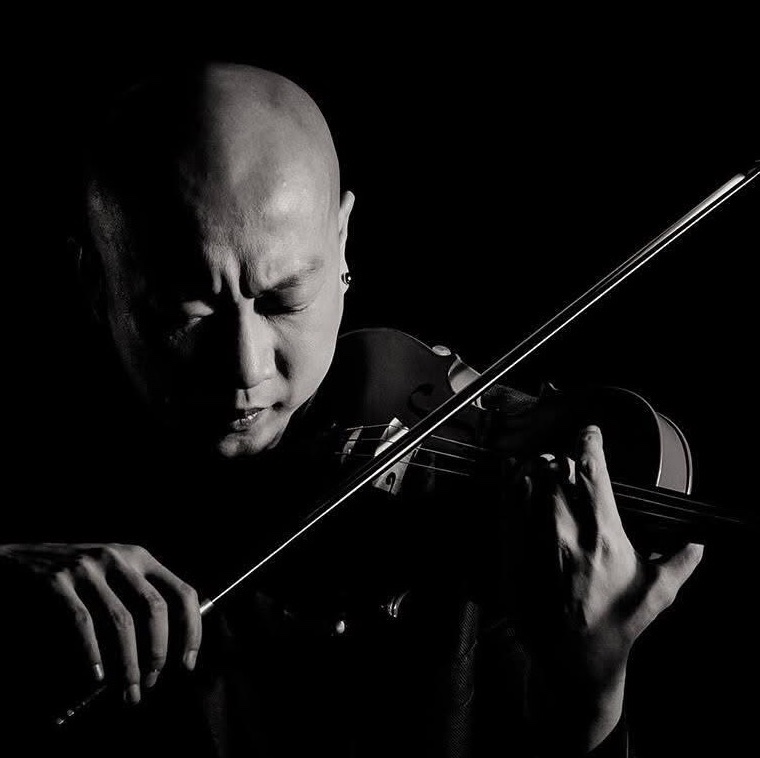
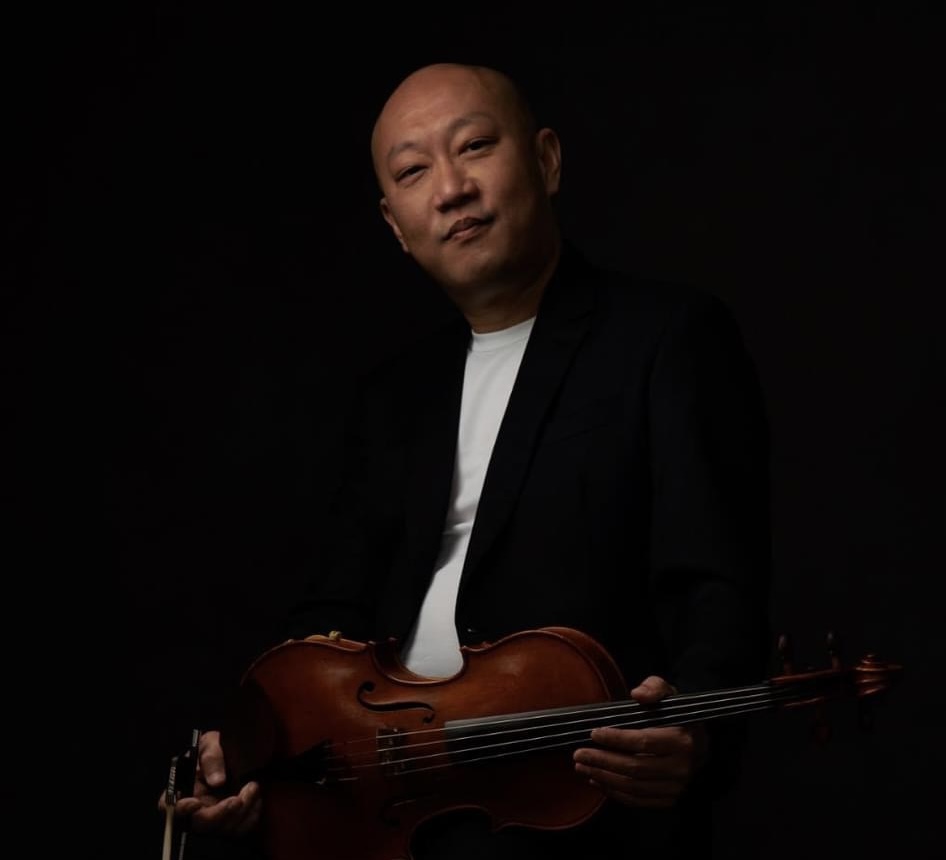
A stronger musical voice. A considered move to viola. A clearer educational direction. A performance you are ready to present. These are the goals that give the work its purpose.
01
Viola & Violin Study
Build a more assured musical voice. Individual study connects the development of the player with the music they want to make. Viola is a particular strength, alongside violin teaching and preparation.
Students may work with Han or another teacher, according to their needs and the agreed arrangement.
Focused consultation & short-term study with Han. Work on a particular musical or technical problem while continuing with your regular teacher. Holiday study—for example, a month—is arranged individually, with an agreed focus and duration.
Choose a direction. Prepare for it. Personalised guidance and mentoring help students work towards an education in music and the arts suited to their abilities and aspirations.
For families considering school Direct School Admission (DSA), conservatory study or another arts-oriented education. Talent assessment informs the direction; the individual strategy is developed within the engagement.
Present your strongest prepared work. Focused preparation for auditions, examinations, competitions and performances, with attention to repertoire, interpretation and readiness.
School DSA audition preparation is one part of this wider work. Preparation is considered in relation to the occasion and the student’s present playing.
Understanding a student’s next step means hearing their present playing, recognising their potential and considering the demands ahead. Han Oh brings to that judgment the perspectives of performer, educator and ensemble leader, together with experience in auditions and adjudication.
Students mentored by Han have gained admission to Indiana University, Boston University and YST. Student outcomes also include a full-scholarship offer from Rice University and study at San Francisco Conservatory of Music.
His studies at Eastman under George Taylor, together with chamber-music study with the Takács Quartet in Boulder, add experience of different musical training environments.
For a family, this is experience to draw on when considering a student’s readiness, aspirations and preparation.
His earlier Singapore National Youth Orchestra work included repertoire, training, placements and auditions. Competition adjudication adds the perspective of evaluating performances.
This experience informs attention to what is convincing, what needs work and where preparation should focus.
Han conducted the National Junior College String Orchestra in Vienna in 2024. The ensemble achieved third place with Outstanding Success in the string-orchestra category of the Summa Cum Laude competition.
Preparing a group for an international stage involves developing individual parts into a shared musical direction—work that depends on sustained listening, rehearsal and judgment.
Han is Principal Violist of the Metropolitan Festival Orchestra and a former Principal Violist of Singapore Lyric Opera. He played viola with T’ang Quartet from 2020 to 2023 and is listed among the 2026 Singapore Chamber Music Festival artist faculty.
A Yamaha Electric Strings Artist, appointed in 2014, Han performed a solo on his five-string electric violin at Singapore’s National Day Parade 2026.
These different stages bring the demands of sound, collaboration and performance preparation into his artistic perspective.
In Han’s guidance, these perspectives come together in one person: teaching the individual, hearing the ensemble, preparing for the stage and evaluating readiness. Together, they inform a strategy shaped around the student’s playing, potential and direction.
Every strategy is shaped around the individual student—their circumstances, playing, potential and aspirations. Throughout the engagement, we refine the plan and adapt the preparation and resources, keeping the work focused on the results that matter to that student.
Tell us about your current playing, the direction you are considering or the occasion ahead. If you are unsure which service fits, explain the question you would like help with.
Questions before you request an Initial Artistic Assessment
It is a focused first-stage assessment of the student’s present
level, objective, timeline and constraints. Its purpose is to
identify priorities and recommend an appropriate next step.
The student’s artistic goals remain central. Parent or guardian
questions about scope, timing, responsibilities and practical
constraints are considered alongside them.
Yes. The Initial Artistic Assessment provides an independent
string-specialist perspective. Dynamic String Arts can focus on repertoire,
performance priorities and audition preparation without
replacing the student’s ongoing instruction.
Families can expect a clear assessment, prioritised plan,
expert feedback and measurable preparation milestones.
Schools and institutions retain their own final selection
decisions.
Dynamic String Arts reviews the student’s stage, objective and timeline before
confirming whether an Initial Artistic Assessment is an
appropriate next step. If the fit is right, Dynamic String Arts proposes the
assessment details and the most suitable pathway for the family
to consider.
The current pathways are designed for string students.
Instrument-specific fit is reviewed at application.
String-focused collaboration for institutions and artistic
partners.
Each engagement defines the objective, audience, responsibilities,
safeguarding requirements and intended outcome before work begins.
Clearly scoped artistic review for a defined question or project.
02
Programme design
String-focused planning with objectives, roles and boundaries.
03
Assessment preparation
Preparation structures for a clearly identified assessment context.
04
Clinics, masterclasses & recording support
Defined artistic projects with agreed safeguarding and delivery terms.
01020304
Request an Initial Artistic Assessment.
A parent, guardian or student may share a short brief. It helps
Dynamic String Arts decide whether an Initial Artistic Assessment is the appropriate first
step, while keeping the student’s artistic goals central.
01 Share the essential context.
02 Dynamic String Arts reviews fit and priorities.