
Serious artistic preparation for Singapore DSA.
For serious violin and viola students whose families need an independent view of present readiness, repertoire, presentation and the work still required before a defined school music assessment.
Clarify the student’s current level, strengthen assessment readiness and build a focused plan for the stage ahead.
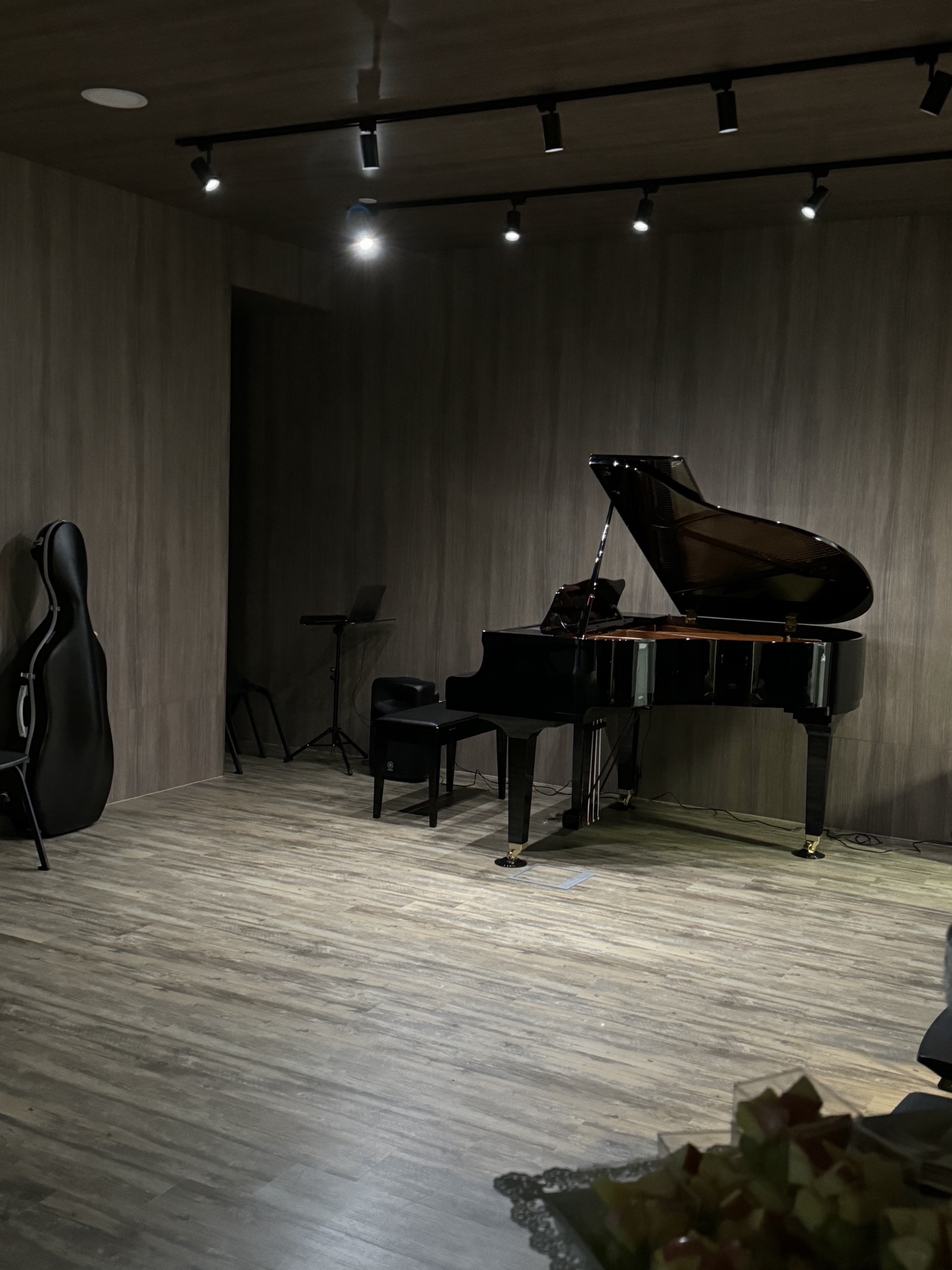
First, decide whether the student’s playing, commitment and timeline can support the goal.
Preparing well is not simply a matter of adding more lessons. The student’s present level, motivation, available time and assessment context need to support one coherent plan.
-
01
A defined assessment context
The family can identify the intended school pathway and the relevant assessment period.
-
02
A student ready to do the work
The student is willing to practise consistently, receive direct feedback and refine work over time.
-
03
A family seeking clarity
The family wants a realistic artistic view before making a longer commitment.
The strongest fit is a student prepared for steady practice, a realistic timeline and a family ready to support the work between reviews.
What Dynamic String Arts assesses.
The review turns the artistic starting point into clear preparation priorities, a realistic sequence and a practical next-step plan.
-
01
Present playing
Technical foundation, musical communication and the student’s current ability to perform with control.
-
02
Repertoire fit
Whether the material is musically suitable, manageable and useful for the stated assessment context.
-
03
Readiness under review
How the student responds to instructions, pressure, recovery and the practical demands of a mock assessment.
-
04
Timeline and constraints
Available preparation time, working habits, competing commitments and the priorities that require attention first.
A preparation pathway with clear decisions.
The exact scope depends on the student and objective. Where a longer engagement is appropriate, the work follows a disciplined sequence rather than a generic package.
-
01 / Clarify
Define the objective.
Establish the intended assessment context, current information, timeline and practical constraints.
-
02 / Assess
Hear the student as they are.
Review current playing and identify the few issues that most affect readiness now.
-
03 / Plan
Choose the right priorities.
Align repertoire, milestones, practice responsibilities and review points with the defined objective.
-
04 / Test
Prepare for the conditions.
Use mock performance, feedback and refinement where appropriate to build reliability under assessment conditions.
Preparation is a shared responsibility.
Strong guidance is most useful when the student and family also own the decisions and work that only they can carry.
The student
- Practises consistently and records agreed work honestly.
- Arrives prepared with the required music and instrument.
- Responds to feedback and communicates difficulties early.
- Builds reliability rather than depending on last-minute intensity.
The family
- Provides accurate information about the objective and timeline.
- Checks current school, academic and administrative requirements.
- Supports a realistic practice environment and attendance.
- Makes timely decisions as priorities and progress become clear.
The advantage of a clearly directed preparation process.
Focused artistic work gives students a stronger foundation and gives families the clarity to make well-timed decisions.
Artistic readiness developed with Dynamic String Arts
- Independent artistic assessment and priority-setting
- Repertoire planning within the agreed artistic objective
- Technical, musical and presentation-focused feedback
- Mock-review structure and performance preparation where agreed
- Clear reporting of progress, constraints and next decisions
Clarity the family gains
- A realistic view of the student’s present readiness
- A focused set of priorities for the available preparation time
- Better-informed choices about repertoire and support
- A shared view of progress before the assessment
- A practical sequence for the next stage of work
Dynamic String Arts keeps its work focused on what the student can strengthen: present playing, repertoire, performance readiness and the sequence of work ahead.
Begin with a clear view of the student’s position.
Share the objective, present level and relevant timeline. Dynamic String Arts will first consider whether an Initial Artistic Assessment is an appropriate next step.