
Build an audition strategy around the musician you are becoming.
Independent artistic assessment for serious violin and viola students, with repertoire and milestone planning, mock-audition preparation and recording guidance for a defined conservatory, undergraduate or graduate audition objective.
Turn an ambitious artistic objective into clear priorities, stronger performance evidence and a disciplined audition plan.
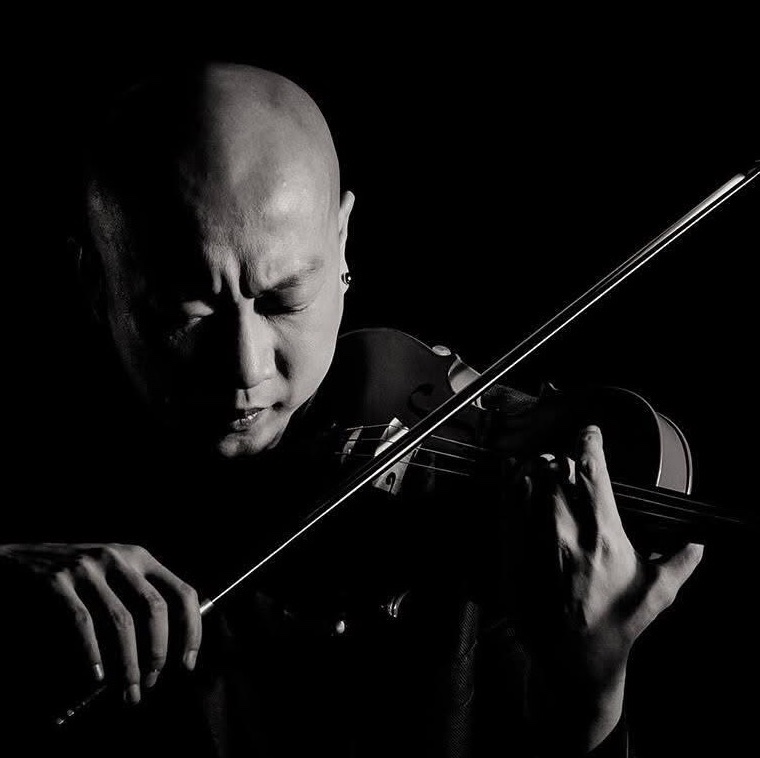
A serious application begins before the final recording.
Repertoire, artistic identity, technical reliability, application timing and the performance format all interact. The first task is to decide what needs attention—and whether the objective is realistic in the available context.
-
01
A defined artistic objective
The student can identify the intended level, programme or audition context rather than asking for generic preparation.
-
02
Evidence of current playing
Dynamic String Arts can hear the student as they are now and judge priorities from recent, representative work.
-
03
Readiness for exacting work
The student is prepared for candid feedback, sustained practice and decisions that may narrow or reshape the plan.
The strongest fit is a student ready for sustained practice, candid artistic feedback and a disciplined timeline supported by accurate, current information from the family.
What Dynamic String Arts assesses.
The review identifies the artistic evidence already present, the gaps that matter most and the preparation priorities that can strengthen the audition case.
-
01
Musical foundation
Technical command, rhythm, sound, intonation, musical understanding and the reliability of performance under attention.
-
02
Repertoire strategy
Whether proposed works reveal the student well, meet the known artistic context and can be prepared responsibly.
-
03
Artistic communication
The student’s ability to shape a musical idea, make choices and sustain an individual, coherent performance.
-
04
Audition and recording readiness
Preparation under live or recorded conditions, including recovery, consistency and practical production decisions where relevant.
From aspiration to a testable artistic plan.
Every stage should make the student’s playing stronger, clearer and more reliable under audition conditions.
-
01 / Define
Name the objective.
Establish the artistic context, known requirements, timeline, current materials and constraints.
-
02 / Assess
Find the decisive gaps.
Assess present playing and distinguish foundational work from issues that can be refined nearer the audition.
-
03 / Prepare
Build the artistic case.
Coordinate repertoire, interpretation, technique, milestones and preparation responsibilities.
-
04 / Test
Expose uncertainty early.
Use mock-audition or recording conditions where appropriate, then refine what the evidence reveals.
The preparation plan has clear owners.
Expert direction works fastest when the student practises consistently and the family keeps the objective, timeline and requirements current.
The student
- Practises with consistency and records progress accurately.
- Prepares scores, materials and agreed excerpts in advance.
- Responds to direct artistic feedback without hiding difficulties.
- Develops independence, recovery and reliability under pressure.
The student and family
- Confirm current academic, language, application and administrative requirements directly with each institution.
- Manage documents, deadlines, fees, travel and technical access.
- Keep Dynamic String Arts informed of the audition format, repertoire rules and relevant artistic deadlines.
- Make timely application decisions from the clearest available evidence.
How rigorous preparation strengthens the audition performance.
Disciplined preparation strengthens the student’s playing, artistic communication and readiness, while giving the family a clearer basis for timing and next-step decisions.
Audition presentation
- Independent artistic assessment and strategic priorities
- Repertoire and milestone planning within the agreed objective
- Technical, musical and performance-focused feedback
- Mock-audition and recording guidance where agreed
- Clear reporting of artistic progress, constraints and next decisions
Strategic clarity
- A realistic view of the student’s present artistic position
- A focused sequence for repertoire, milestones and review
- Earlier visibility of risks that require attention
- Better-informed choices about timing and preparation resources
- A shared understanding of progress before the audition
Dynamic String Arts focuses on the artistic work that can be strengthened before the audition: playing, repertoire, communication, reliability and the preparation sequence.
Start with the objective—and the evidence.
Share the student’s present level, intended context and relevant timeline. Dynamic String Arts will first consider whether an Initial Artistic Assessment is an appropriate next step.